Agentic AI for Engineering Teams Webinar Series

Agentic AI for Engineering Teams 

Series Overview:

This two-session webinar series gives engineering teams a hands-on look at how agentic AI transforms the way they work with MATLAB and Simulink — from interactive data analysis and application building to AI-assisted model-based design and simulation. Across both sessions, you will see how large language models and AI agents connect directly to engineering workflows, reducing manual effort and helping your team design, simulate, and deliver faster. 


Register Online

Short description text goes here

AI as Your Engineering Teammate for Data Analysis and Application Development

AI as Your Engineering Teammate for Data Analysis and Application Development  

Discover how agentic AI and MATLAB help teams automate workflows, accelerate development, and bring innovative products to market faster through natural language-driven data analysis, reporting, and dashboard creation.


Register Here 

Accelerate System Design and Simulation with Simulink Copilot and AI Agents

 Accelerate System Design and Simulation with Simulink Copilot and AI Agents  

Unlock AI-powered Model-Based Design with Simulink Copilot and the Simulink Agentic Toolkit. Discover how AI can help explain models and errors, provide design guidance, automate development tasks, and connect external AI agents to your workflows—enabling smarter development, greater productivity, and faster innovation.


Register Here 

WEBINAR HIGHLIGHTS

- Connect MATLAB to AI coding tools (Claude Code, GitHub Copilot) through the Model Context Protocol (MCP)  

- Automate data analysis, report generation, and interactive dashboard creation with natural-language prompts 

- Use Simulink Copilot to understand complex models, diagnose errors, and get AI-driven design improvement suggestions

- Automate Process Advisor tasks and connect AI agents to Simulink models autonomously via the Simulink Agentic Toolkit 

WHO SHOULD ATTEND

- Control System Engineers

- Engineer & Scientists

- Data Analysts

- Embedded System developers

- AI and machine learning practitioners in control systems 

- Simulation and modeling engineers

- Verification and validation engineers 

- Research and academicians



Key Takeaways

- MCP turns MATLAB into easy AI tool — LLMs can call functions, read data, and execute scripts directly
- Agentic workflows eliminate repetitive manual tasks — from data analysis and reporting in Session 1 to model design and simulation in Session 2  
- Simulink Copilot reduces time-to-proficiency for engineers working with complex or unfamiliar models   
- The Simulink Agentic Toolkit extends AI agency into Simulink — enabling autonomous model query, modification, and simulation  
- Both sessions provide copy-ready examples teams can adapt and deploy in their own environments immediately 

  •  

SPEAKERS


Huy Duong (1)
Gerald

Duong Quang Huy
Application Engineering


Duong Quang Huy is an Application Engineer at Ascendas Systems with over five years of experience in embedded systems across the automotive, rail, and marine industries. He specializes in model-based design, simulation, embedded software development, and data analysis using MATLAB/Simulink, Python, and C. With a degree in Mechatronics Engineering from Hanoi University of Science and Technology, Huy is passionate about applying AI-driven engineering tools and model-based design to accelerate innovation and deliver advanced engineering solutions. 


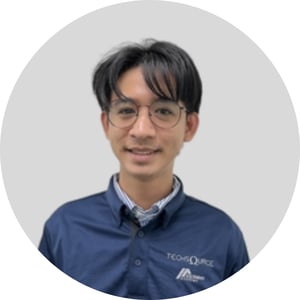
Gerald Reymari Acoba Cagayan
Application Engineer

Gerald Reymari Cagayan is an Application Engineer specializing in Artificial Intelligence, Data Science, and Electro-Optical Engineering, with over five years of data science experience across various industries in the Philippines. He holds a Master of Engineering in Electro-Optical Engineering from Taiwan, where his research focused on improving nano-scale sample detection using lab-on-a-chip technology. Combining expertise in AI, data analytics, and engineering, Gerald is passionate about applying innovative technologies to solve complex real-world challenges.